


- January 10, 2026
The Ultimate Hearty Vegan Pinto Bean Soup: A Nutritious Plant-Based Masterclass
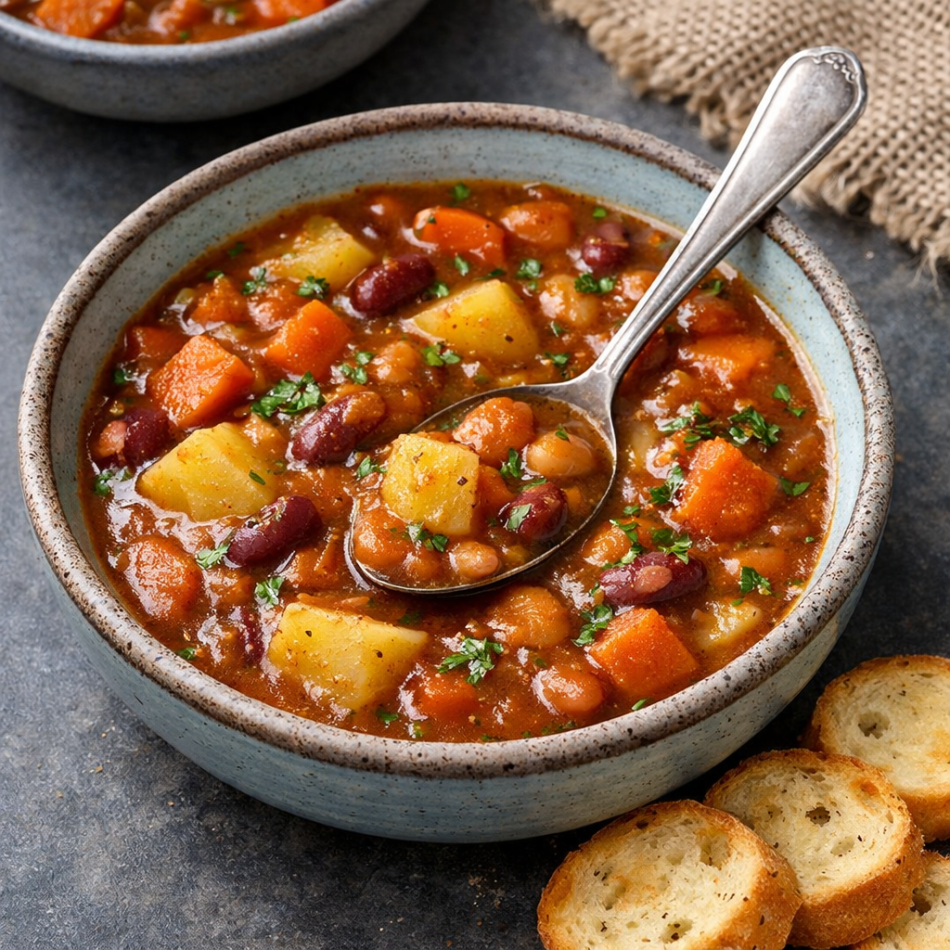
When it comes to comfort food that nourishes both the body and the soul, few dishes can compete with a thick, smoky bowl of Vegan Pinto Bean Soup. Often associated with rustic country kitchens and Southwestern flavors, this dish has evolved from a humble staple into a gourmet plant-based powerhouse.
In this guide, we will explore the nuances of creating a restaurant-quality bean soup at home. We will cover everything from the importance of the “pot liquor” to the secret ingredients that provide a meaty depth without using any animal products.
Why This Vegan Pinto Bean Soup is a Nutritional Goldmine
Before we dive into the kitchen, it is worth understanding why pinto beans are the star of the show. These “painted beans” are not only delicious but are packed with essential nutrients that make them a perfect cornerstone for a vegan diet.
1. High-Quality Plant Protein
A single cup of cooked pinto beans provides approximately 15 grams of protein. When combined with a grain like rice or corn (often found in accompanying cornbread), you create a complete amino acid profile.
2. Fiber for Digestive and Heart Health
Pinto beans are exceptionally high in soluble fiber. This type of fiber helps regulate blood sugar levels and can assist in lowering “bad” LDL cholesterol, making this soup a heart-healthy choice.
3. Micronutrient Density
These beans are an excellent source of molybdenum, folate, copper, and magnesium. These minerals are vital for everything from energy production to DNA synthesis.
The Essential Ingredients: Building Layers of Flavor
To move away from a “bland” soup, we must focus on aromatics, spices, and the cooking liquid. Here is a detailed breakdown of what you will need and why each component matters.
The Beans: Dried vs. Canned
For the absolute best results, dried pinto beans are superior. They release natural starches as they cook, which creates a velvety, creamy broth that canned beans simply cannot replicate. If you are in a rush, canned beans work, but you will lose that signature “thick” texture.
The Aromatic Base (The Mirepoix)
Every great soup starts with a foundation. You will need:
-
Yellow Onions: For a deep, savory sweetness.
-
Carrots: For a subtle earthy sugar.
-
Celery: To provide a salty, herbal undertone.
-
Fresh Garlic: Use at least 4-5 cloves; the garlic mellows as it simmers, providing a rich backbone to the soup.
The Smoky Element (The “Meaty” Secret)
Since we are keeping this vegan, we need to replace the traditional ham hock. You can achieve this using:
-
Smoked Paprika: Provides a deep red color and a campfire aroma.
-
Liquid Smoke: Just a few drops go a long way in mimicking smoked meats.
-
Chipotle in Adobo: Use this if you want a spicy, Southwestern kick.
The Liquid Base
While water is traditional for “pinto beans,” using a high-quality vegetable stock or a “no-chicken” bouillon base adds immediate complexity and saltiness that elevates the dish from simple to sophisticated.
The Master Recipe: Step-by-Step Stovetop Method
Phase 1: The Preparation and Soak
Sorting your beans is the first step. Spread them on a flat surface to check for small pebbles or debris. Once cleaned, you have two options:
-
The Overnight Soak: Place beans in a large bowl with 3 inches of water above the bean line. Let sit for 8–12 hours. This is the best method for reducing “gas-causing” sugars and ensuring even cooking.
-
The Quick Soak: Cover beans with water, bring to a boil for 2 minutes, turn off the heat, and let sit for 1 hour.
Phase 2: Sautéing for Depth
Heat two tablespoons of olive oil or avocado oil in a large heavy-bottomed pot (like a Dutch oven). Add your diced onions, carrots, and celery. Sauté over medium heat for about 8–10 minutes. You want the vegetables to be soft and the onions to be slightly golden. Add your minced garlic and spices (cumin, smoked paprika, black pepper) and cook for just 60 seconds until the kitchen smells incredible.
Phase 3: The Long Simmer
Drain your soaked beans and add them to the pot. Pour in 6 to 8 cups of your vegetable broth. Add two bay leaves—these add a subtle floral note that balances the heavy beans.
Bring the soup to a boil, then immediately turn the heat down to low. Cover the pot with a lid, leaving it slightly ajar to allow just a bit of steam to escape. Let the soup simmer for 1.5 to 2.5 hours. The beans are done when they can be easily crushed against the roof of your mouth with your tongue.
Phase 4: Creating the Creamy Texture
Here is the professional secret: Once the beans are tender, take 1 or 2 cups of the soup and blend it in a blender (or use an immersion blender directly in the pot for 5 seconds). Stir this “puree” back into the soup. This creates a thick, luxurious mouthfeel without adding any flour, cornstarch, or dairy.
Alternative Cooking Methods: Instant Pot and Slow Cooker
The Instant Pot (Pressure Cooker)
This is the fastest way to enjoy this soup. If you use unsoaked beans, add all ingredients to the pot and set to High Pressure for 45–50 minutes. If the beans were soaked, reduce the time to 25 minutes. Always allow for a Natural Pressure Release (about 20 minutes) to ensure the beans stay tender and the skins don't burst.
The Slow Cooker (Crockpot)
Ideal for busy mornings. Add all ingredients to the slow cooker and cook on Low for 8–10 hours or High for 5–6 hours. Pro-tip: If using a slow cooker, ensure your vegetable stock is already warm when you add it to help the beans reach the cooking temperature faster.
Flavor Troubleshooting and Pro-Tips
The Role of Acidity
If your soup tastes “flat” even after adding salt, it likely needs acid. A squeeze of fresh lime juice or a teaspoon of apple cider vinegar added right before serving acts as a flavor brightener. It cuts through the heaviness of the beans and makes the spices pop.
When to Salt
There is a culinary myth that salting beans early makes them tough. Modern science suggests that a small amount of salt in the soaking water actually helps the skins soften. However, for the best flavor control, do the bulk of your seasoning in the final 30 minutes of cooking.
Fresh Herbs
Never underestimate the power of fresh cilantro or flat-leaf parsley. Adding these at the very end provides a burst of color and a fresh contrast to the long-simmered flavors.
Serving Suggestions: Completing the Meal
To make this a full, balanced dinner, consider these traditional and modern pairings:
-
Classic Cornbread: A sweet and crumbly vegan cornbread is the perfect tool for soaking up the “pot liquor.”
-
Brown Rice or Quinoa: Serve the soup over a bed of grains for a protein-packed “bowl” style meal.
-
Toppings Galore: Create a topping bar with diced red onions, sliced radishes, avocado chunks, and vegan sour cream.
-
Pickled Elements: Pickled jalapeños or pickled red onions provide a sharp, vinegary crunch that complements the creamy beans.
Storage, Reheating, and Freezing
This soup is a meal-prepper's dream because it actually tastes better on the second and third day as the starches continue to thicken the broth.
-
In the Fridge: Store in an airtight container for up to 5–6 days.
-
In the Freezer: This soup freezes exceptionally well. Leave about an inch of space at the top of your container for expansion. It will stay fresh for up to 3 months.
-
Reheating: If the soup becomes too thick in the fridge (it will!), simply add a splash of water or broth when reheating on the stove or in the microwave.
Frequently Asked Questions (FAQ)
Can I make this soup without oil? Yes. You can “water sauté” your vegetables by using a few tablespoons of broth or water instead of oil to prevent sticking.
Why are my beans still hard after hours of cooking? There are two main reasons: your beans might be old (dried beans have a shelf life and eventually won't soften), or your water is “hard” (high mineral content). If you have hard water, try using filtered or distilled water for your soup.
How can I make the soup even heartier? Add diced potatoes or sweet potatoes during the last 30 minutes of cooking. They will add more bulk and a different kind of creaminess to the dish.
Final Thoughts: The Joy of Simple Cooking
Mastering a Vegan Pinto Bean Soup is more than just following a recipe; it is about learning how to layer flavors and respect the slow-cooking process. This dish proves that with a few pantry staples and a bit of patience, you can create a world-class meal that is as healthy as it is delicious.